
For expatriates establishing a business, operating a commercial branch, or employing domestic staff in Yucatán, understanding local employment regulations is paramount. Mexico possesses an incredibly robust, pro-worker constitutional framework. The workplace environment is strictly regulated by the Federal Labor Law (Ley Federal del Trabajo), which establishes mandatory minimum standards that cannot be waived by any private agreement or contract.
To avoid severe administrative penalties, labor lawsuits, or corporate audits, foreign employers must familiarize themselves with the foundational structures governing employment relations in Mexico.
The Constitutional Groundwork: Article 123
Labor protections in Mexico are not just standard statutory laws; they are guaranteed constitutional rights under Article 123 of the Mexican Constitution. This article mandates that every single worker—regardless of their nationality, corporate rank, or whether they perform domestic or corporate duties—is strictly entitled to:
- A safe, hygienic, and structurally sound workplace environment.
- Equal compensation for equal professional responsibilities, without gender or nationality discrimination.
- Mandatory statutory indemnification or coverage in the event of an occupational injury or work-related illness.
- Absolute freedom from forced labor or uncompensated shifts.
The Modern Labor Justice System
An essential update for international business owners is the complete overhaul of Mexico’s labor courts. The old Juntas de Conciliación y Arbitraje (Conciliation and Arbitration Boards) have been completely phased out.
Today, employment disputes, wrongful termination claims, and contract disagreements are managed through a modern, transparent two-tier system: first, through mandatory mediation at the state or federal Labor Conciliation Centers (Centros de Conciliación Laboral), and if an agreement is not reached, through the formal Labor Tribunals (Tribunales Laborales) integrated directly into the Judicial Power.
Core Elements of Mexican Employment Law
To structure a compliant payroll (nómina) or accurately calculate independent operating expenses, you must understand these core operational pillars:
1. The Modern Minimum Wage System
The old geographic minimum wage divisions (Zones A, B, and C) have been completely abolished. Today, Mexico’s minimum wage framework is divided into only two distinct operational zones:
- The Northern Border Free Zone (Zona Libre de la Frontera Norte): A specialized economic strip running along the US border featuring a higher minimum wage.
- The Rest of the Country (Resto del País): The standard baseline wage zone which governs the entire state of Yucatan and the rest of the Mexican Republic.
The National Minimum Wage Commission (CONASAMI) adjusts these rates annually. Keep in mind that specialized professional trades (such as certified mechanics, plumbers, or typists) have specific, higher statutory minimum wage baselines that employers must respect. However, for specialized or bilingual personnel, market rates in Mérida are significantly higher than the federal minimums.
2. Legal Workweek and Paid Rest Days
The absolute maximum standard workweek under Mexican law is 48 hours before triggering mandatory overtime compensation. For every six days of consecutive labor performed (traditionally Monday through Saturday), the employee is legally entitled to one full day of rest with full pay.
Crucial Payroll Tip: This means when you contract a full-time employee, you are structuring their financial compensation on a 7-day weekly cycle, not a 6-day cycle. Your payroll calculations must always be based on weekly or bi-weekly totals rather than a simple daily rate.
3. Statutory Work Shifts (Jornadas)
The standard Mexican working day is split into three strictly defined legal shifts, each carrying a different maximum hourly threshold:
- Day Shift (Jornada Diurna): Operated between 6:00 AM and 8:00 PM. Maximum duration: 8 hours per day (48 hours per week).
- Night Shift (Jornada Nocturna): Operated between 8:00 PM and 6:00 AM. Maximum duration: 7 hours per day (42 hours per week).
- Mixed Shift (Jornada Mixta): Comprises periods from both day and night shifts, provided the night period is less than 3.5 hours. Maximum duration: 7.5 hours per day (45 hours per week).
4. Overtime (Horas Extras) Mechanisms
Any operational hours extending past the daily shift limits outlined above are classified as overtime and must be compensated under strict federal formulas:
- Double Overtime: The first 9 hours of overtime accumulated during a single week must be paid at 200% (double) the standard hourly wage rate. Overtime shifts cannot legally exceed 3 hours per day or occur more than 3 times a week.
- Triple Overtime: Any extraordinary hours extending past the initial 9-hour weekly threshold must be paid at 300% (triple) the standard hourly rate.
- Holiday & Rest Day Overtime: If an employee is required to work on an official mandatory federal holiday or their designated day of rest, they must be paid their standard day’s wage plus an additional double wage, resulting in a triple daily rate payment for that shift.
5. Sunday Premium (Prima Dominical)
Because Sunday is the federally preferred day of rest in Mexican corporate and domestic culture, any employee whose regular weekly schedule requires them to work a standard shift on a Sunday is legally entitled to a mandatory 25% cash bonus (Prima Dominical) over their ordinary base daily wage for that specific day.
You Might Also Like

Starting a business in Mexico
We are frequently asked how to find a job in Mexico. The simple answer is that it’s difficult for a foreigner to find employment in Mexico unless they are relocated…

Hiring and Firing Employees in Mexico
Employment law in Mexico involves a set of regulations that may not be familiar if you previously ran a business in another country. Here are 10 things that are important…
Working in Mexico
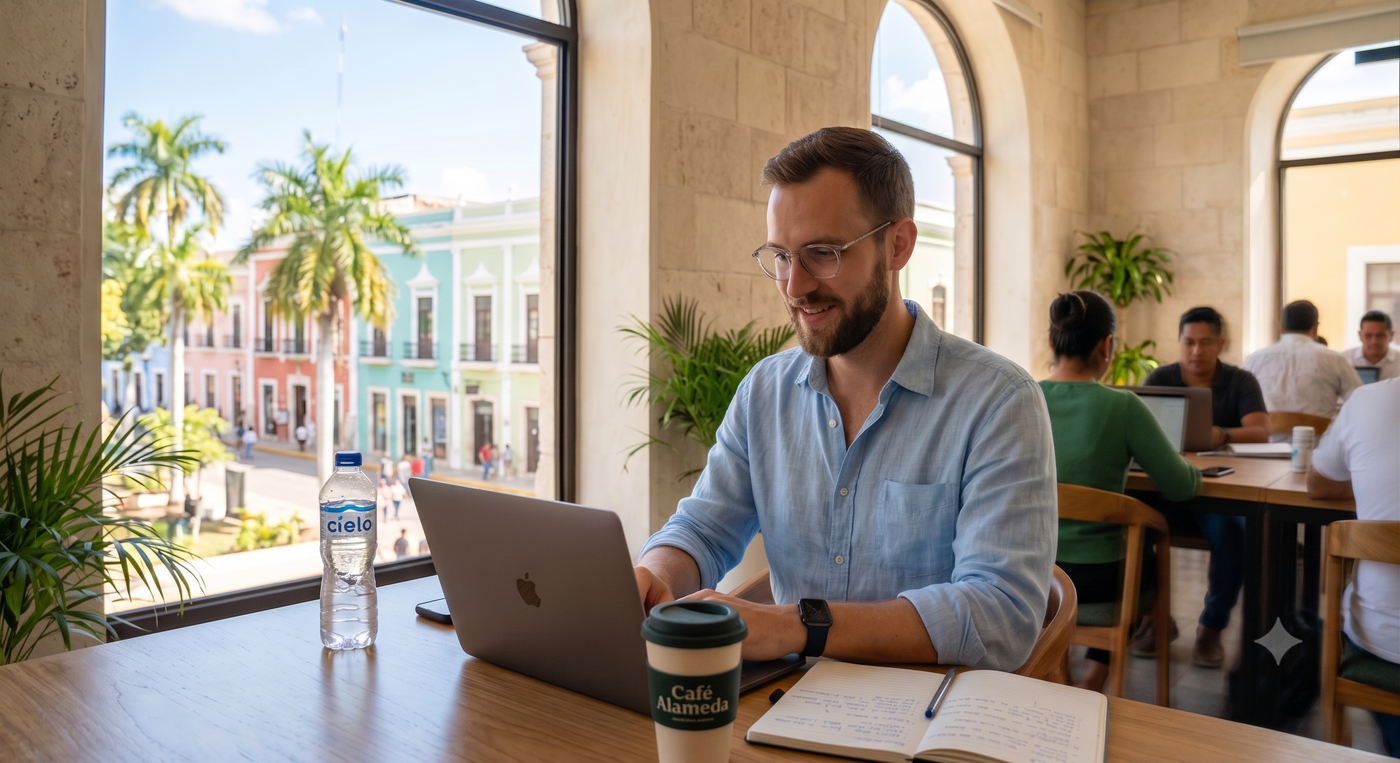
Working in Mexico can be a rewarding experience, but it’s essential to understand the country’s employment regulations and the practical aspects of working there. Here are some key considerations if…
Visiting Mexico City
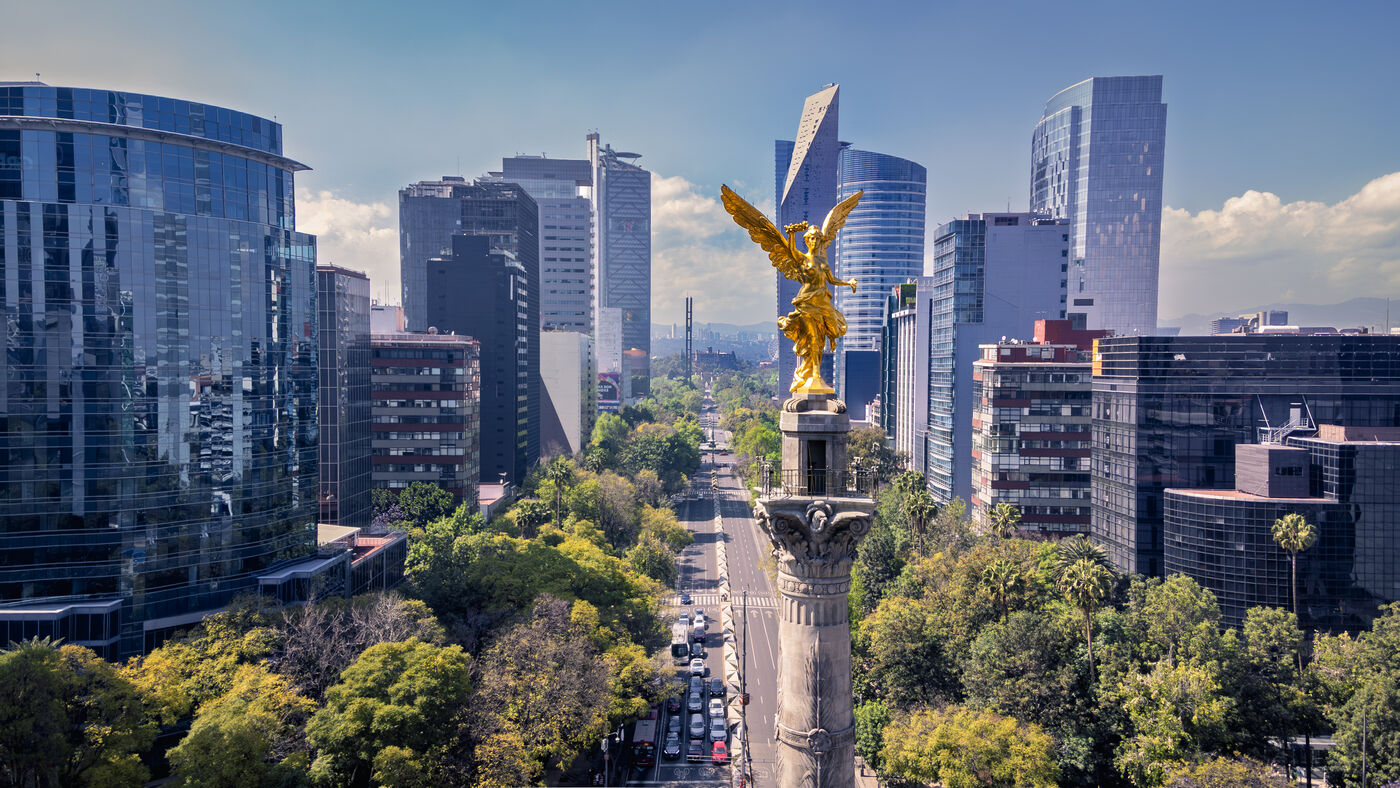
Mexico City is a dynamic and vibrant metropolis that offers a wide range of cultural, historical, and culinary experiences. If you’re planning to visit Mexico City, here are some tips…