
As the vibrant capital and economic heart of the country, Mexico City (CDMX) serves as the primary gateway for thousands of international driving tours, corporate relocations, and expats finalizing their introductory immigration pipelines before heading out to regional hubs like Yucatán. However, newcomers are often surprised to learn that the capital’s climate is entirely distinct from Mexico’s tropical coastal zones.
Situated in a massive highland valley within the Trans-Mexican Volcanic Belt, Mexico City rests at a demanding elevation of approximately 2,240 meters (7,350 feet) above sea level. This extreme altitude creates a subtropical highland climate characterized by remarkably mild, comfortable temperatures throughout the year, balanced by two main meteorological blocks: the dry season and the rainy season.
A Seasonal Breakdown of Mexico City’s Weather
Planning your transit schedules, consular appointments, or real estate scouting trips requires a clear view of how the city’s microclimate shifts across the seasons:
Spring (March to May) – The Warm & Dry Window
- Atmosphere: Widely considered one of the most magnificent windows to explore the capital before the heavy summer rains commence.
- Temperature Parameters: Daytime highs generally fluctuate between 68°F and 79°F (20°C to 26°C), offering warm afternoons followed by refreshing, crisp evenings.
- Precipitation: This is the driest stretch of the year, providing clear blue skies ideal for outdoor historical tours and administrative commuting.
Summer (June to August) – The Rainy High-Season
- Atmosphere: Summer shifts the valley into a lush, green landscape, characterized by high humidity parameters and reliable afternoon cloud covers.
- Temperature Parameters: Daily numbers range comfortably from 68°F to 77°F (20°C to 25°C). The constant altitude prevents the oppressive heat waves common in low-elevation territories.
- Precipitation: Heavy rain is a daily occurrence. The morning typically starts clear and sunny, followed by sudden, intense afternoon downpours or evening thunderstorms. Carrying an umbrella and planning indoor activities after 3:00 PM is highly advised.
Autumn (September to November) – Mild and Transitionary
- Atmosphere: An exceptional period for travel, especially throughout October and November, as the dense summer cloud banks dissipate completely.
- Temperature Parameters: Evenings begin to cool down considerably, while daytime maximums average a comfortable 68°F to 79°F (20°C to 26°C).
- Precipitation: Rainfall percentages drop drastically as the season transitions into the corporate winter freeze, leading to clear, stable atmospheric windows.
Winter (December to February) – Crisp, Clear, and Cold Nights
- Atmosphere: Winters are characterized by bright, sunny days accompanied by a dramatic drop in temperature the moment the sun sets behind the valley.
- Temperature Parameters: Average daytime environments range from 64°F to 70°F (18°C to 21°C); however, early morning and midnight lows frequently plunge down to 40°F (4°C).
- Precipitation: Highly stable and dry, though occasional arctic northern winds (nortes) dropping from Canada can bring sudden overcast days.
Essential Survival Tips for the High-Altitude Capital
Because of Mexico City’s high-altitude topography, solar radiation levels are exceptionally intense, and temperature drops between sun and shade are stark. To navigate the capital seamlessly, the YES concierge team recommends the following lifestyle adaptations:
- The Layering Rule: Always carry a light jacket or pashmina scarf. A sunny 75°F afternoon can instantly morph into a chilly 55°F environment after an afternoon shower.
- Hydration and Sun Safety: The thin mountain air accelerates physical dehydration. Drink plenty of water and apply high-grade SPF sunscreen daily, even on overcast days.
Transitioning from CDMX to the Yucatán Lifestyle?
While Mexico City offers an incredible urban interlude, its mountain chill and dense seasonal rains stand in stark contrast to the continuous, tropical warmth of Mérida and the Yucatecan Gulf Coast. Managing a multi-state transition, shipping household goods (menaje de casa) from central hubs to the southeast, and executing interstate address updates with the INM requires specialized coordination.
At Yucatan Expatriate Services (YES), we make your relocation throughout Mexico fluid and effortless. From navigating initial airport immigration checkpoints to setting up your dream lifestyle in Yucatán, our professional relocation concierge team handles the logistical heavy lifting so you can transition smoothly into your retirement.
You Might Also Like
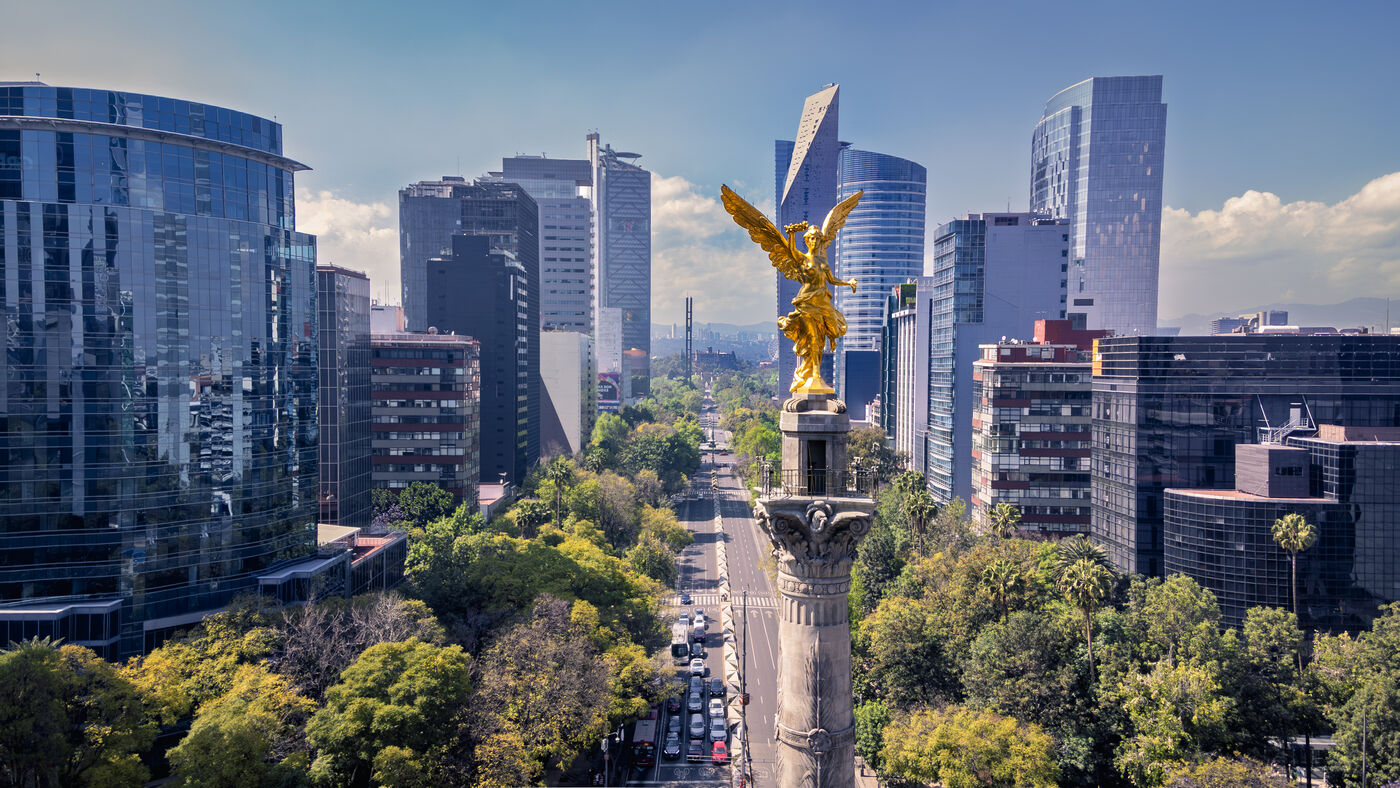
Visiting Mexico City
Mexico City is a dynamic and vibrant metropolis that offers a wide range of cultural, historical, and culinary experiences. If you’re planning to visit Mexico City, here are some tips…

Weather in the Riviera Maya
The weather in the Riviera Maya, a popular tourist destination on the eastern coast of Mexico’s Yucatan Peninsula, is generally warm and tropical throughout the year. However, there are some…
Traveling to Mexico
Traveling to Mexico can be an exciting and rewarding experience, with its rich culture, beautiful landscapes, and delicious cuisine. Here are some tips to help you make the most of…

Starting a business in Mexico
We are frequently asked how to find a job in Mexico. The simple answer is that it’s difficult for a foreigner to find employment in Mexico unless they are relocated…